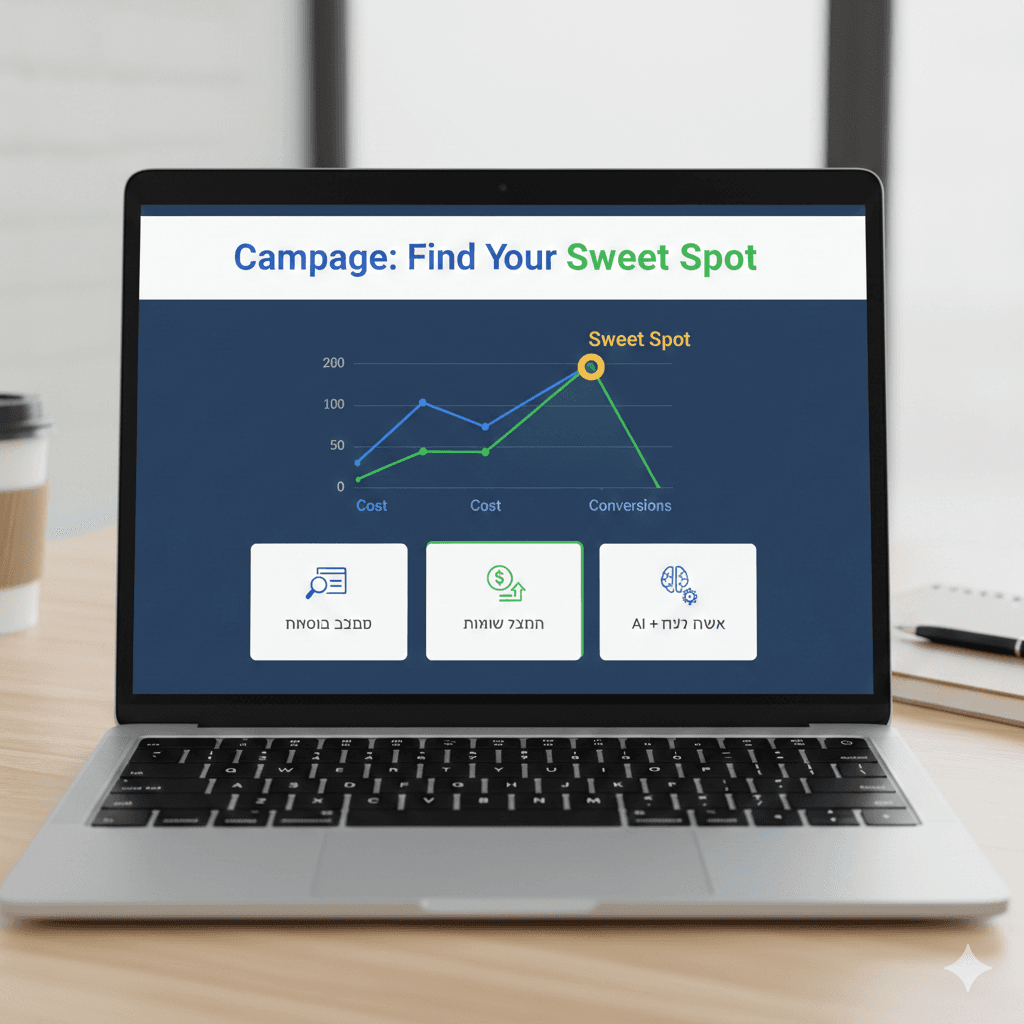

In the last decade, the world of digital marketing has become addicted to "engagement" metrics. Likes, shares, and views have become the currency of the realm, leading many businesses to invest most of their budgets in social networks. However, in 2026, when digital noise reached its peak, the dry numbers tell a different story: the truly quality customers are not where people scroll, but where they search.
1. The Psychology of Intent: PULL Strategy vs. PUSH
The most significant difference between marketing channels lies in the user's mental state. In social networks, marketing operates on a PUSH (push) model – an attempt to interrupt the user while they are engaged with entertaining content. In contrast, Google operates on a PULL (pull) model – the customer actively pulls the information towards them when they need a solution.
The data for 2026 proves the superiority of pull:
- Between 66% and 71% of customer journeys in the B2B world begin actively in the search bar.
- Leads coming from active search-based PULL systems show closing rates of 14% to 15%, compared to only about 1.5% in traditional PUSH methods.
2. The Battle for ROI: Where Does the Money Work Harder?
For business owners, the bottom line is always return on investment. When examining campaign effectiveness in 2026, the gaps become clear:
- Conversion Rates (CVR): The average conversion rate for search ads stands at 4.4% to 7.5%, while on social networks the average remains around 2.2%.
- Return on Advertising Spend (ROAS): Targeted campaigns on Google yield a median ROAS of 5.17:1.
- Customer Lifetime Value (LTV): Customers coming through PULL channels are characterized by higher loyalty, with customer lifetime value 35% to 50% higher compared to customers acquired through feed-based campaigns.
3. The AI Effect: The Quiet Revolution of 2026
Many predicted that artificial intelligence would harm search, but it has become the best quality filter the market has ever known:
- Accuracy over Quantity: Users utilizing AI-based search receive quick answers, resulting in those who do click and enter a landing page being "ripe" customers with high purchase intent.
- Targeted Conversion: Inquiries coming from AI searches convert 2.3 times better than before, as AI filters out the "curious" and delivers only serious customers to the business.
The Bottom Line
In 2026, digital marketing returns to its fundamentals. Virality may be a great tool for exposure, but for stable business growth, the PULL strategy remains the winning arena. Businesses that focus on appearing exactly when the customer pulls the information and shouts "I need a solution" are the ones winning the race.

Campage team
Expert in landing page optimization and digital marketing strategies.